Konvato - USA
Redefining the Future of Money, One Transaction at a Time
Empowering individuals and businesses across the globe with seamless, secure, and affordable stablecoin-to-fiat conversion.
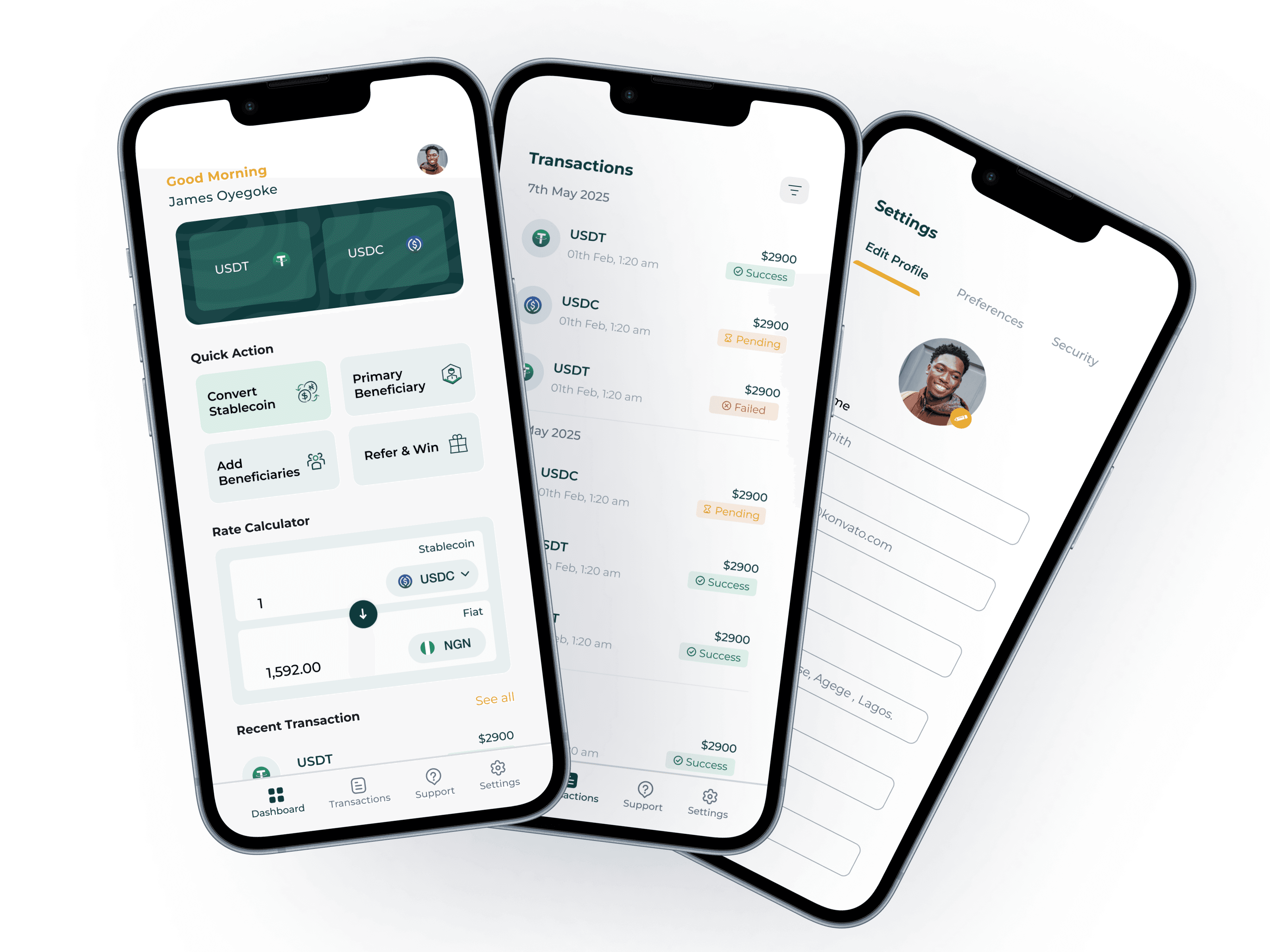
Assignment
My Role:
UX designer
Interactive design
User Flows
Visual Design
Prototyping
Deliverables:
User Research
User Interviews
High Fidelity Designs
Team:
Front End Developers
Back End Developers
iOS Developer
QA Analyst
Project Overview
Konvato empowers individuals and businesses around the world by providing a seamless, secure, and affordable way to convert stablecoins into fiat currency.
The goal is to deliver the fastest and most reliable conversion experience—at consistently competitive rates—so users can access and use their digital money anytime, anywhere. Whether it’s a freelancer receiving stablecoin payments, a business managing cross-border transactions, or an individual moving funds to a bank account, Konvato ensures that every conversion is transparent, predictable, and effortless.
By focusing on speed, trust, and accessibility, Konvato aims to make digital assets genuinely practical for everyday financial activity—empowering users to move value globally with confidence.
Assignment
My Role:
UX Lead
Interactive design
User Flows
Visual Design
Prototyping
Deliverables:
User Research
User Interviews
High Fidelity Designs
Team:
Front End Developers
Back End Developers
QA Analyst
Assignment
My Role:
UX designer
Interactive design
User Flows
Visual Design
Prototyping
Deliverables:
User Research
User Interviews
High Fidelity Designs
Team:
Front End Developers
Back End Developers
iOS Developer
QA Analyst
Project Overview
Konvato empowers individuals and businesses around the world by providing a seamless, secure, and affordable way to convert stablecoins into fiat currency.
The goal is to deliver the fastest and most reliable conversion experience—at consistently competitive rates—so users can access and use their digital money anytime, anywhere. Whether it’s a freelancer receiving stablecoin payments, a business managing cross-border transactions, or an individual moving funds to a bank account, Konvato ensures that every conversion is transparent, predictable, and effortless.
By focusing on speed, trust, and accessibility, Konvato aims to make digital assets genuinely practical for everyday financial activity—empowering users to move value globally with confidence.
Problem and Solutions
Lack of Transparency in Conversion Fee
Problem:
Users converting USDC/USDT to fiat don’t understand the final payout amount. Fees, FX rates, and network fees are often hidden until the final step.
Solution:
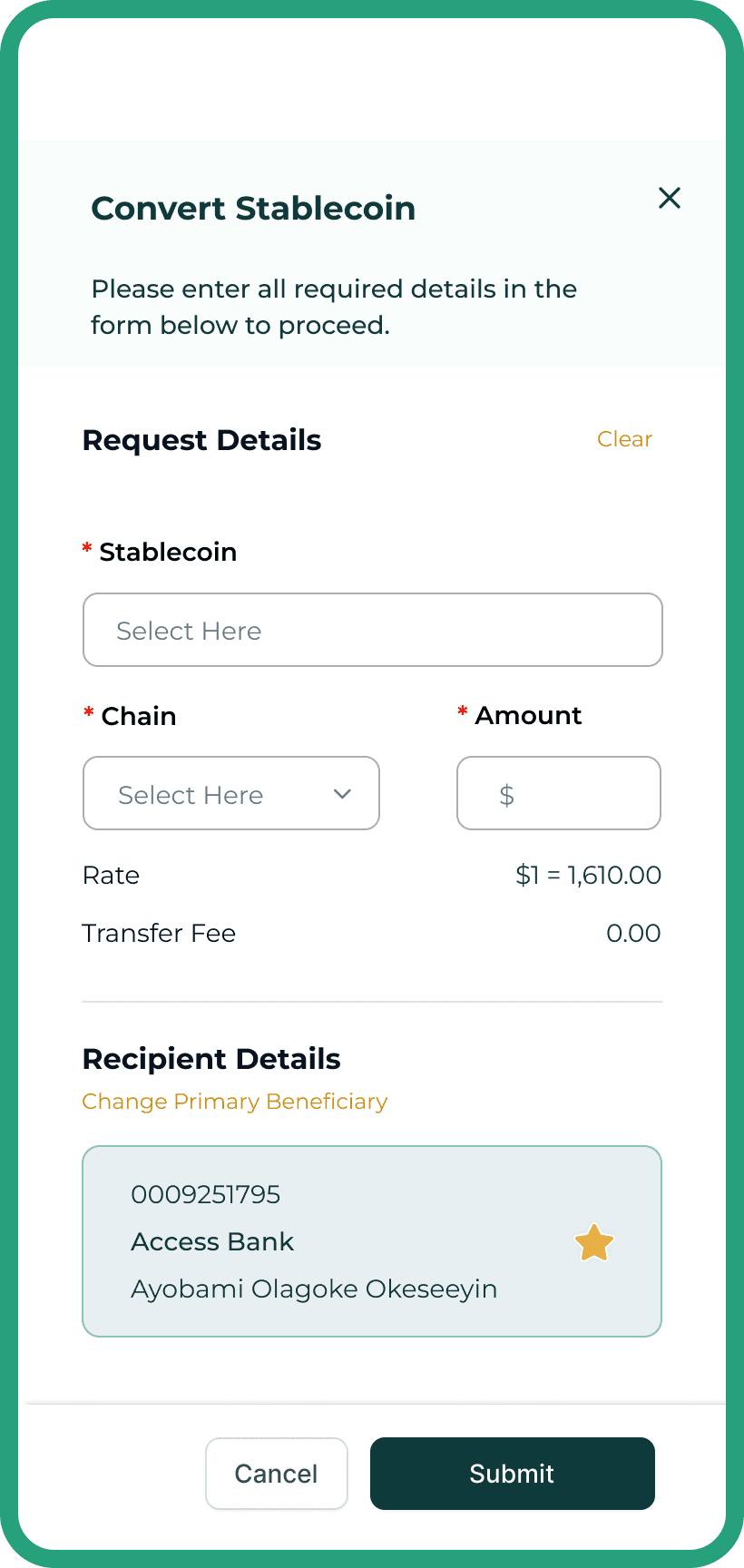
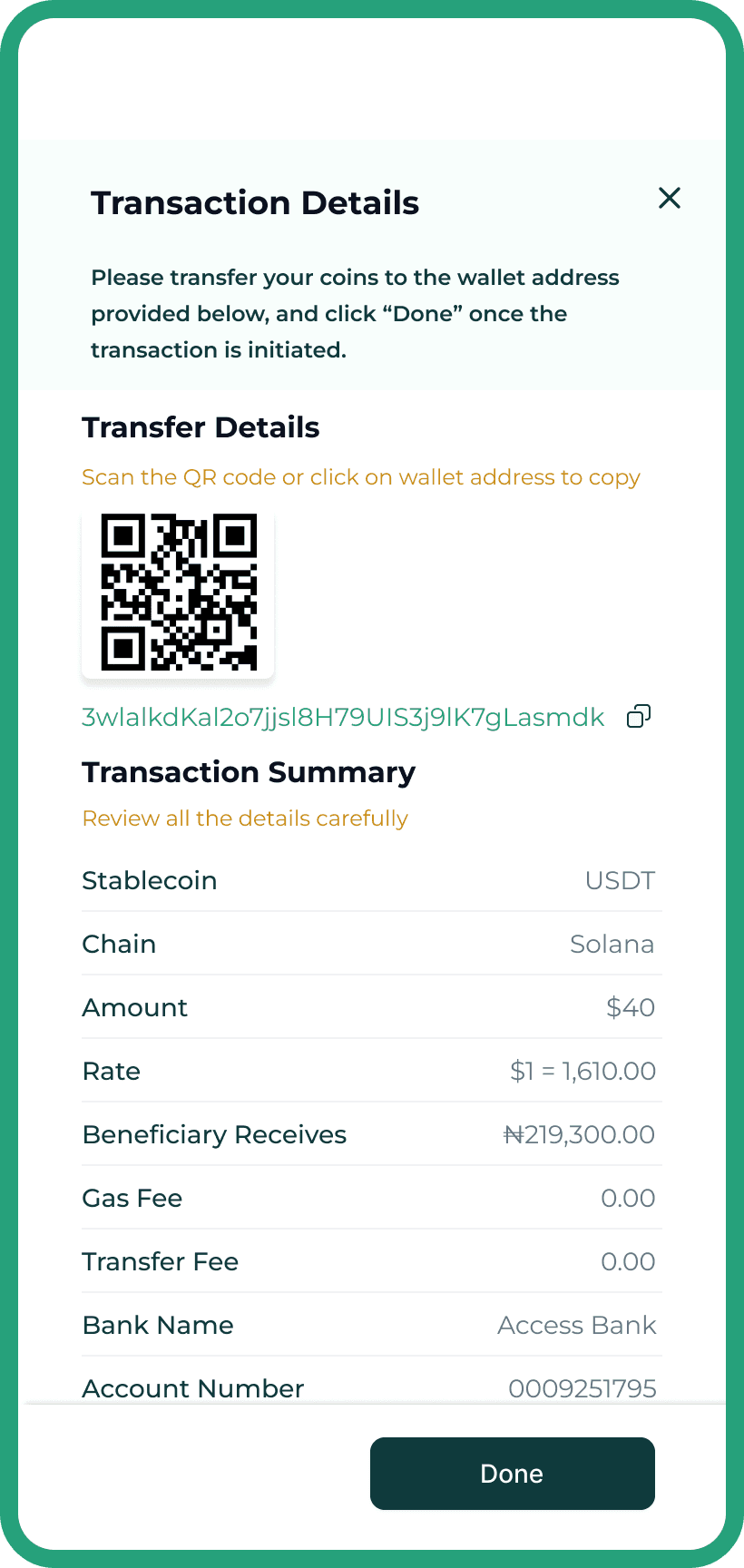
A real-time fee breakdown UI that transparently shows all transaction costs—while showcasing Konvato’s exclusive zero-fee conversion rate for users.
Slow Off-Ramp Processing Times
Problem:
Some off-ramp partners settle fiat to bank accounts in 1–3 days. Users don’t know what to expect.
Angry users assume the platform is holding funds.
Solution:
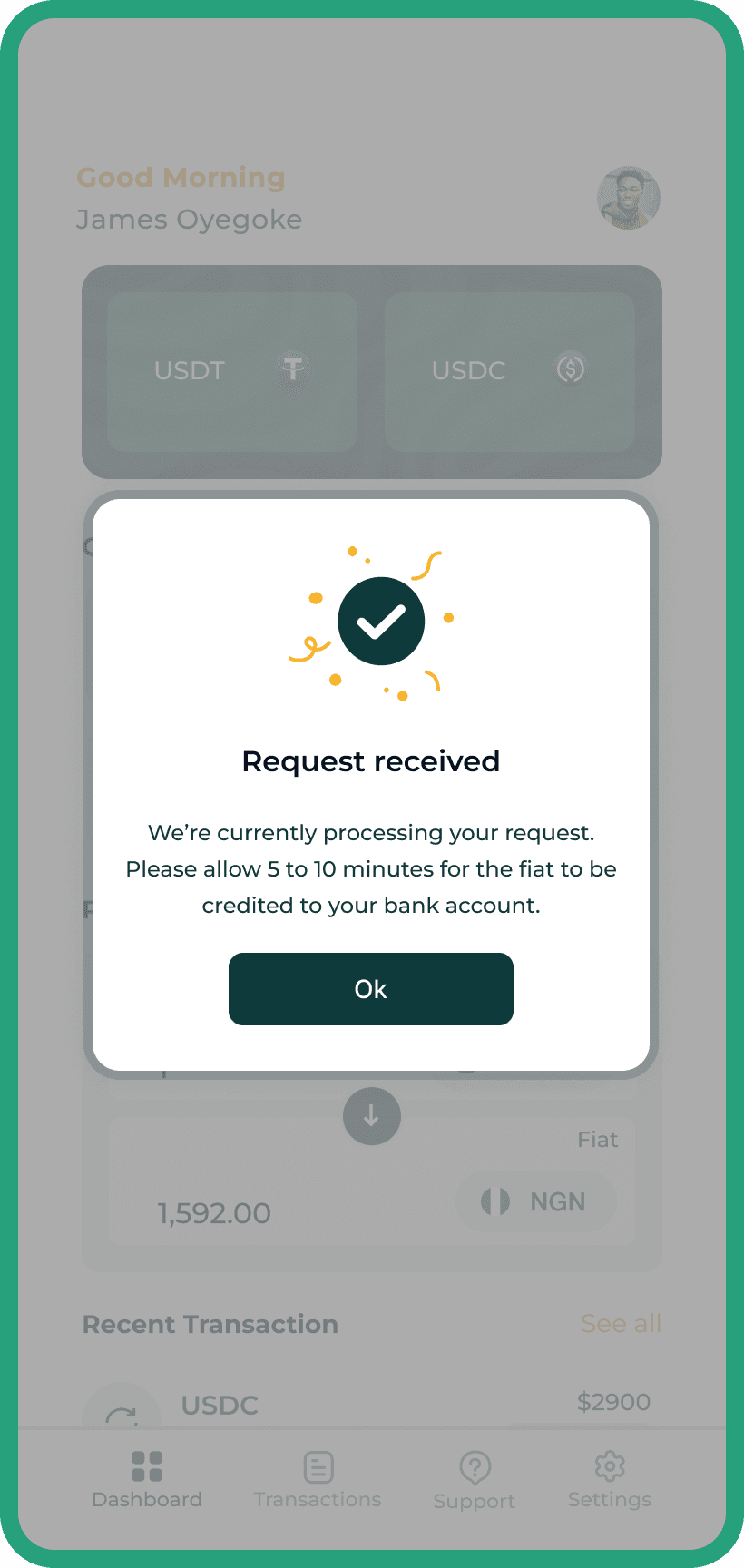
Delivery time estimates is clearly displayed
Tracking timeline component (similar to a shipping tracker) showing:
“Stablecoin received”
“Bank transfer initiated”
“Expected arrival”
Use real-time processing with automated verification and blockchain or instant payment networks to ensure transfers are completed within minutes.
Mistrust Around Fiat Delivery
Problem:
Users fear losing funds when moving from crypto to banks, especially in regions with hostile regulations.
Solution:
Partner transparency: Show which licensed provider is handling the off-ramp.
“Regulated by” labels and trust badges.
Inline educational microcopy reassuring what happens during the transfer.
Complex User Experience
Problem:
Complicated forms, poor navigation, and slow loading times create frustration and user drop-off.
Solution:
Design a simple, intuitive interface with minimal steps, clear visuals, and mobile-first usability. Support multiple languages and local currencies for inclusivity.
Multi-Currency Confusion
Problem:
When converting stable-coins to fiat in non-USD markets, users may misunderstand:
USD → NGN conversion
Network fees vs FX fees
Recipient bank currency settings
Solution:
Explicit currency conversion cards (“You send X USDC → You receive Y NGN”).Warnings for banks that charge foreign currency conversions.
Unclear Limits (Daily/Monthly and Per Transaction)
Problem:
Users get blocked at submission because they exceed withdrawal or compliance limits.
Solution:
Dynamic limit meter UI (shows progress bar of used/remaining limit).
Contextual upsell explaining how to increase limits (e.g., “Verify your identity to convert up to $50,000/day”).
Real-time validation before user initiates a transfer.
Lack of Customer Support
Problem:
When disputes or failed transactions occur, delayed or ineffective support quickly undermines user trust.
Solution:
Offer 24/7 support, chatbots for instant help, and clear escalation paths for unresolved issues.
Lack of Transparency in Conversion Fee
Problem:
Users converting USDC/USDT to fiat don’t understand the final payout amount. Fees, FX rates, and network fees are often hidden until the final step.
Solution:
A real-time fee breakdown UI that transparently shows all transaction costs—while showcasing Konvato’s exclusive zero-fee conversion rate for users.
Slow Off-Ramp Processing Times
Problem:
Some off-ramp partners settle fiat to bank accounts in 1–3 days. Users don’t know what to expect.
Angry users assume the platform is holding funds.
Solution:
Delivery time estimates is clearly displayed
Tracking timeline component (similar to a shipping tracker) showing:
“Stablecoin received”
“Bank transfer initiated”
“Expected arrival”
Use real-time processing with automated verification and blockchain or instant payment networks to ensure transfers are completed within minutes.
Mistrust Around Fiat Delivery
Problem:
Users fear losing funds when moving from crypto to banks, especially in regions with hostile regulations.
Solution:
Partner transparency: Show which licensed provider is handling the off-ramp.
“Regulated by” labels and trust badges.
Inline educational microcopy reassuring what happens during the transfer.
Complex User Experience
Problem:
Complicated forms, poor navigation, and slow loading times create frustration and user drop-off.
Solution:
Design a simple, intuitive interface with minimal steps, clear visuals, and mobile-first usability. Support multiple languages and local currencies for inclusivity.
Multi-Currency Confusion
Problem:
When converting stable-coins to fiat in non-USD markets, users may misunderstand:
USD → NGN conversion
Network fees vs FX fees
Recipient bank currency settings
Solution:
Explicit currency conversion cards (“You send X USDC → You receive Y NGN”).Warnings for banks that charge foreign currency conversions.
Unclear Limits (Daily/Monthly and Per Transaction)
Problem:
Users get blocked at submission because they exceed withdrawal or compliance limits.
Solution:
Dynamic limit meter UI (shows progress bar of used/remaining limit).
Contextual upsell explaining how to increase limits (e.g., “Verify your identity to convert up to $50,000/day”).
Real-time validation before user initiates a transfer.
Lack of Customer Support
Problem:
When disputes or failed transactions occur, delayed or ineffective support quickly undermines user trust.
Solution:
Offer 24/7 support, chatbots for instant help, and clear escalation paths for unresolved issues.
Design Process
Problem Framing & Goals:
Stablecoin users want a fast, transparent, and trustworthy way to convert crypto into fiat currencies. However, research showed major pain points around fees, network selection, payout timelines, and compliance requirements.
Design goals:
Increase user confidence at every step
Reduce drop-offs caused by unclear requirements
Improve transparency around fees and timing
Create a scalable design system for multiple networks and off-ramp partners
Disvovery Phase:
To understand expectations and friction points, I conducted:
User Interviews
Interviewed both novice and experienced stablecoin users.
Key themes:
Confusion around total payout amount
Anxiety about how long transfers take
Uncertainty about which blockchain network to use
Frustration with KYC interruptions
Fear of irreversible mistakes
Problem Synthesis
From the research, I distilled the problems into 5 pillars:
Fee opacity → Users can’t predict their final payout
Slow/uncertain delivery → No visibility into transfer progress
Network complexity → Users pick the wrong chain or overpay fees
KYC friction → Sudden, confusing compliance steps break flow
Limit confusion → Users hit blocked transactions unexpectedly
These themes shaped the structure of the design solution.
User Journey:
I mapped the full end-to-end conversion journey:
Automated wallet generation
Select stablecoin
Choose network
Enter amount
Understand fees (Free)
Pass compliance
Initiate conversion
Wait for settlement
Receive confirmation
Ideation:
Low Fidelity - I explored multiple directions for:
Fee explanation modules
Network comparison UI
A “conversion timeline” tracker
Progressive KYC prompts
Limit meters
Sketching helped decide on visual hierarchy and simplified user decision paths.
Solution Principles
The concepts were guided by principles derived from insights:
Transparency (no hidden fees, no surprises)
Predictability (clear timelines and expectations)
Safety (protect users from irreversible mistakes)
Minimal friction (only one required action per step)
Education without overwhelm (microcopy > long text)
Design Execution: Final design and key features
Real-Time Fee Breakdown
Network fee
Platform fee
FX conversion rate
Final payout amount preview
- Impact: lowered confusion & improved conversion rate
ii. Network Selection Assistant
Shows cost, speed, and compatibility per network
Smart recommendation engine highlights best option
Prevents incompatible network transfers
- Impact: reduced user errors and support tickets
iii. Conversion Timeline Tracker
A live, trackable progress bar with steps:
Stablecoin received
Processing
Bank transfer initiated
Estimated arrival
- Impact: reduces anxiety by setting expectations
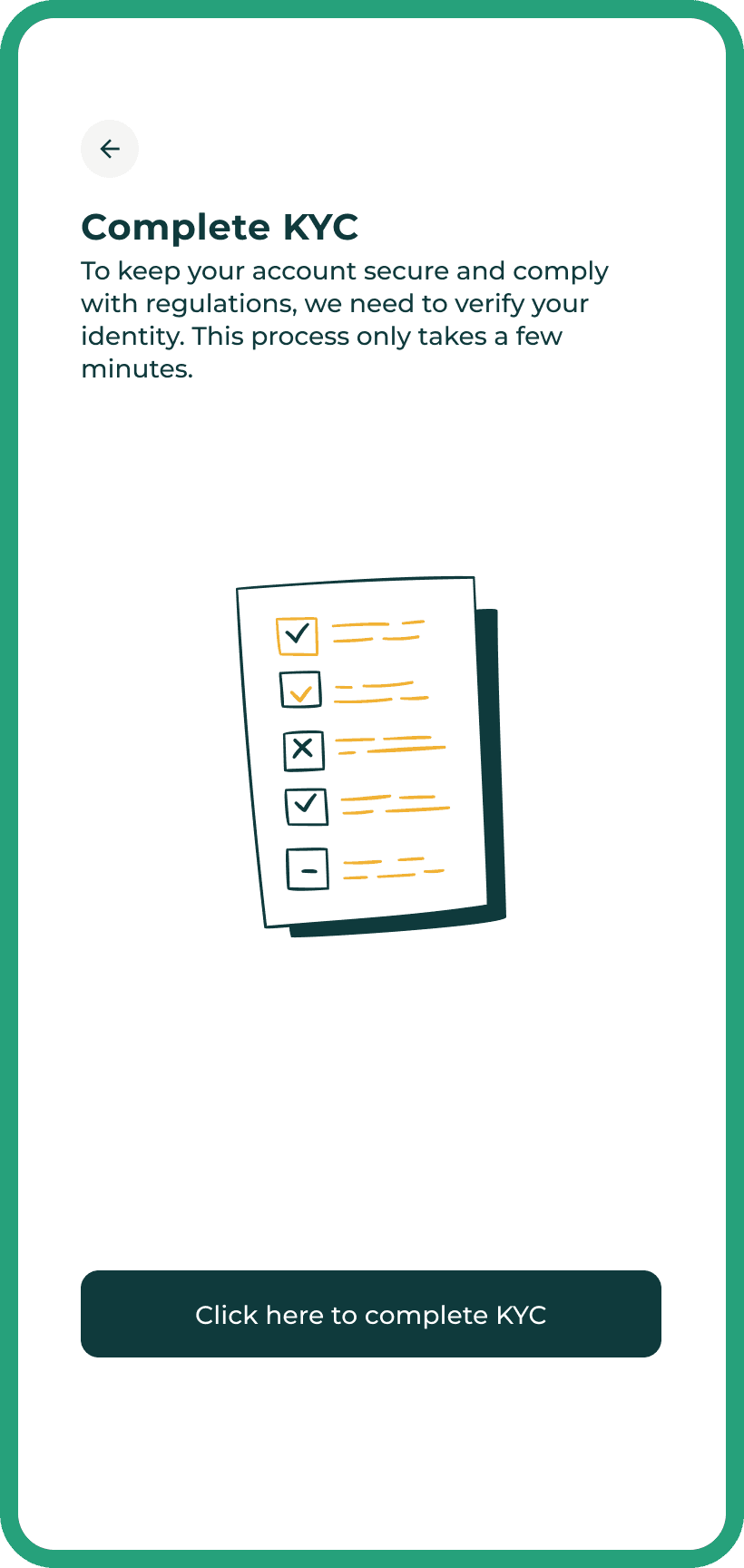
iv. Progressive KYC Flow
Shows only necessary fields at each stage
Provides “why we need this” explanations
Autofills from past verifications
Uses document quality checks to reduce rejection
- Impact: Higher completion rate and fewer abandoned flows
v. Dynamic Limit Meter
Displays daily/monthly limits
Highlights remaining withdrawal room
Contextual upgrade prompts
- Impact: Prevents hidden blockers and surprises
Usability Testing:
Conducted remote tests with 8 participants.
Findings:
Users trusted the process more when timelines were shown
The network recommendation reduced cognitive load
Fee transparency increased the perception of fairness
KYC explanations reduced frustration
Users reported significantly more confidence
Handoff & Collaboration:
I collaborated with:Product Managers to define metrics and scope
Engineers to ensure feasible fee calculations and network logic
Compliance to confirm KYC & AML requirements
Brand / Design Systems to build reusable modules
Deliverables:
Annotated Figma files
Interaction specs
API contract requirements for retrieval of fees & timelines
Results & Impact:
While some metrics are generalized (depending on fictional or real data availability), typical outcomes for this type of project include:↓ 23% drop-off rate in conversion flow
↓ 32% reduction in support tickets for fees & timing
↑ 19% increase in successful conversions
↑ User confidence measured by post-flow survey
Clearer design system patterns scalable across regions
. Reflection:
What I learned
Transparency is a powerful trust-builder, especially in financial products
A complex flow becomes simple when designed around user expectations
Designing for compliance means balancing legal needs with user empathy
What’s next:
Adding “instant payout” where possible
Expanding to global bank rails (SEPA Instant, Faster Payments)
Introducing fee-optimizing automation (auto-select cheapest route)
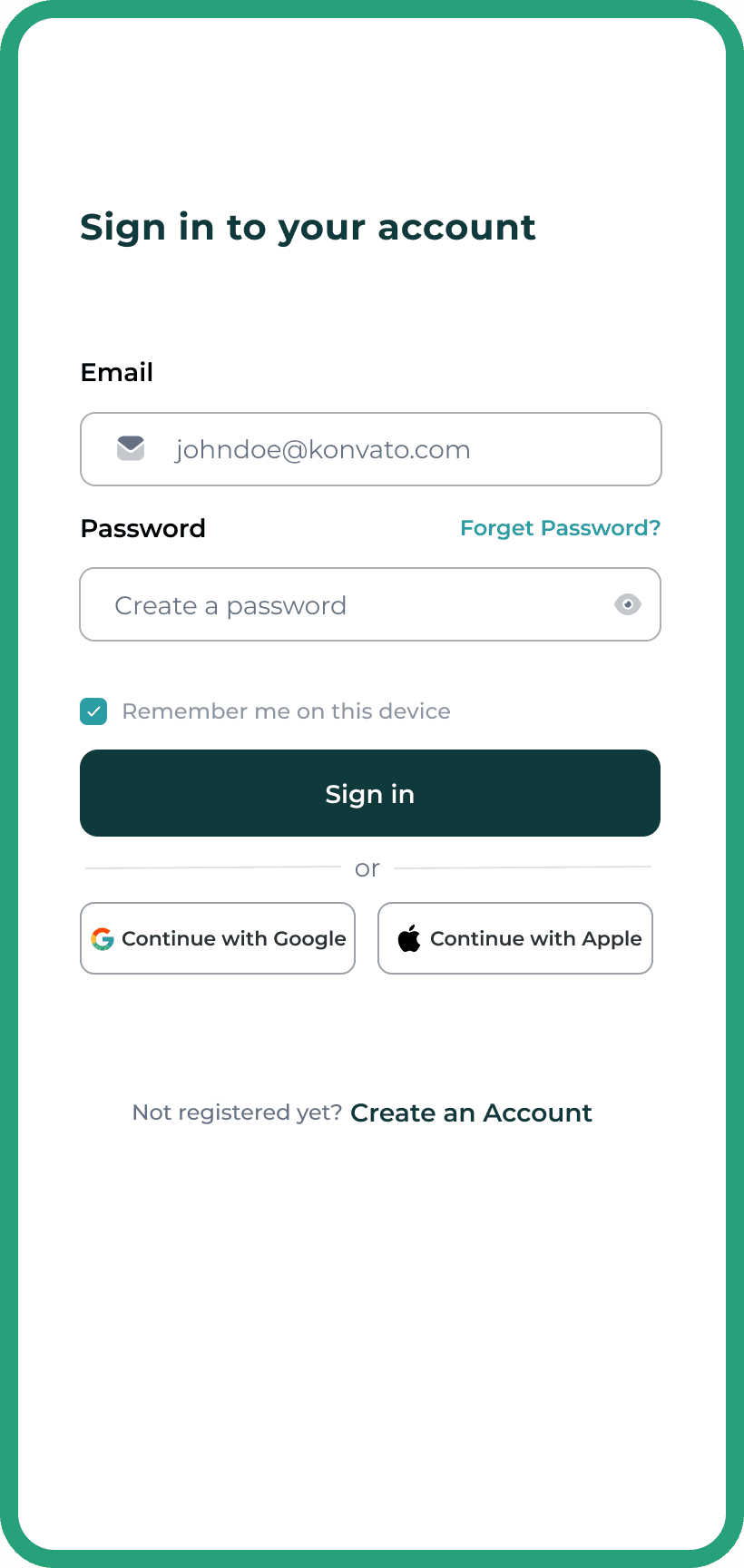
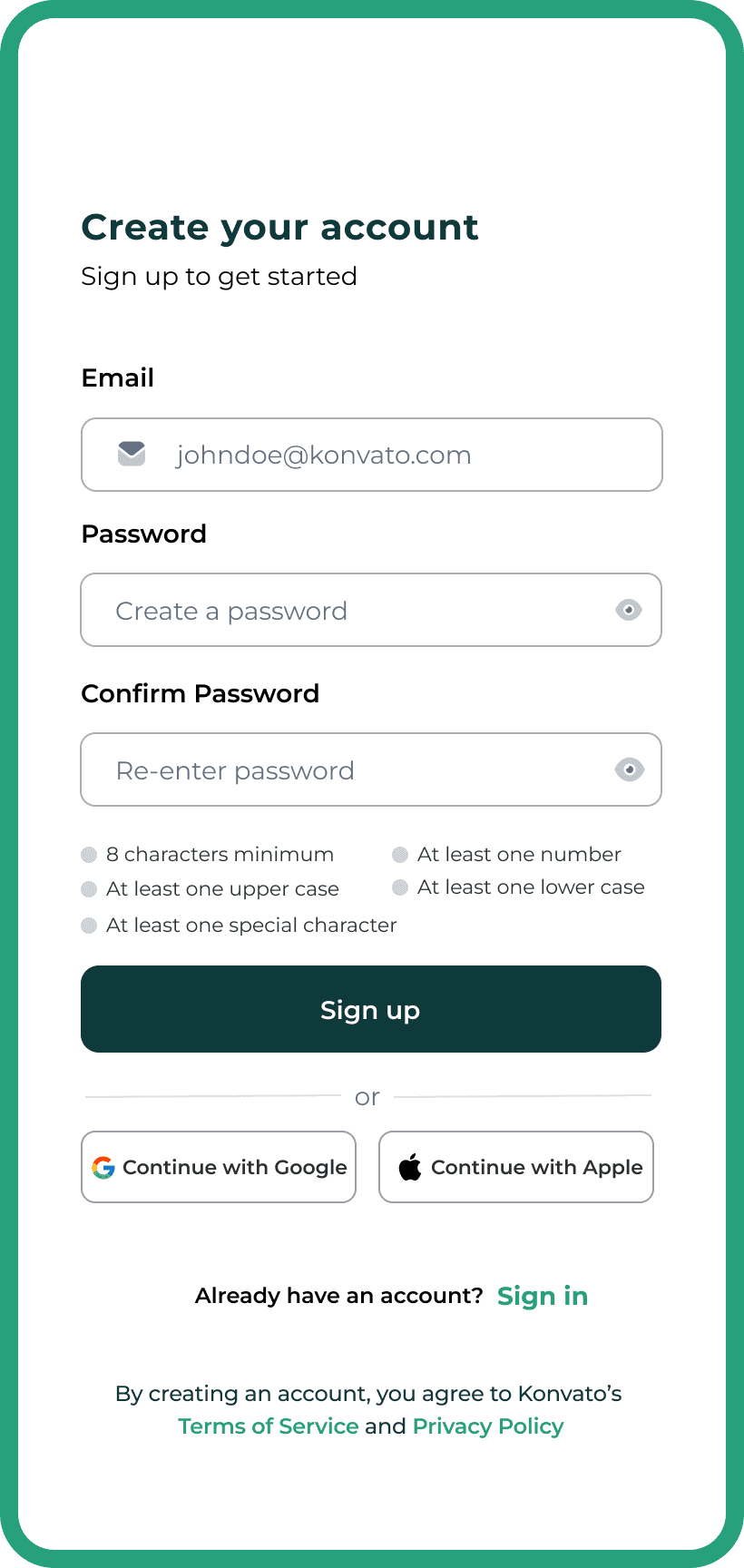
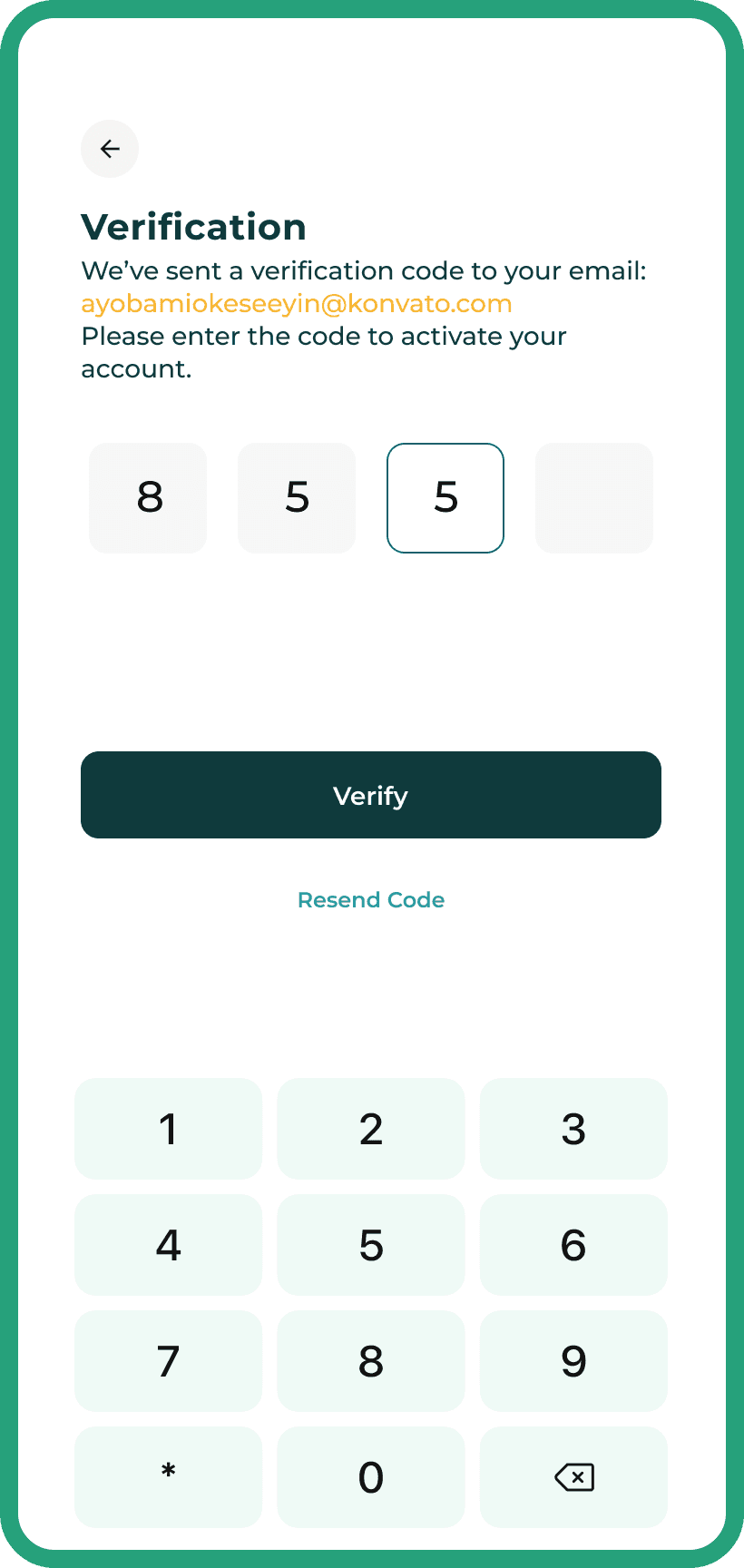
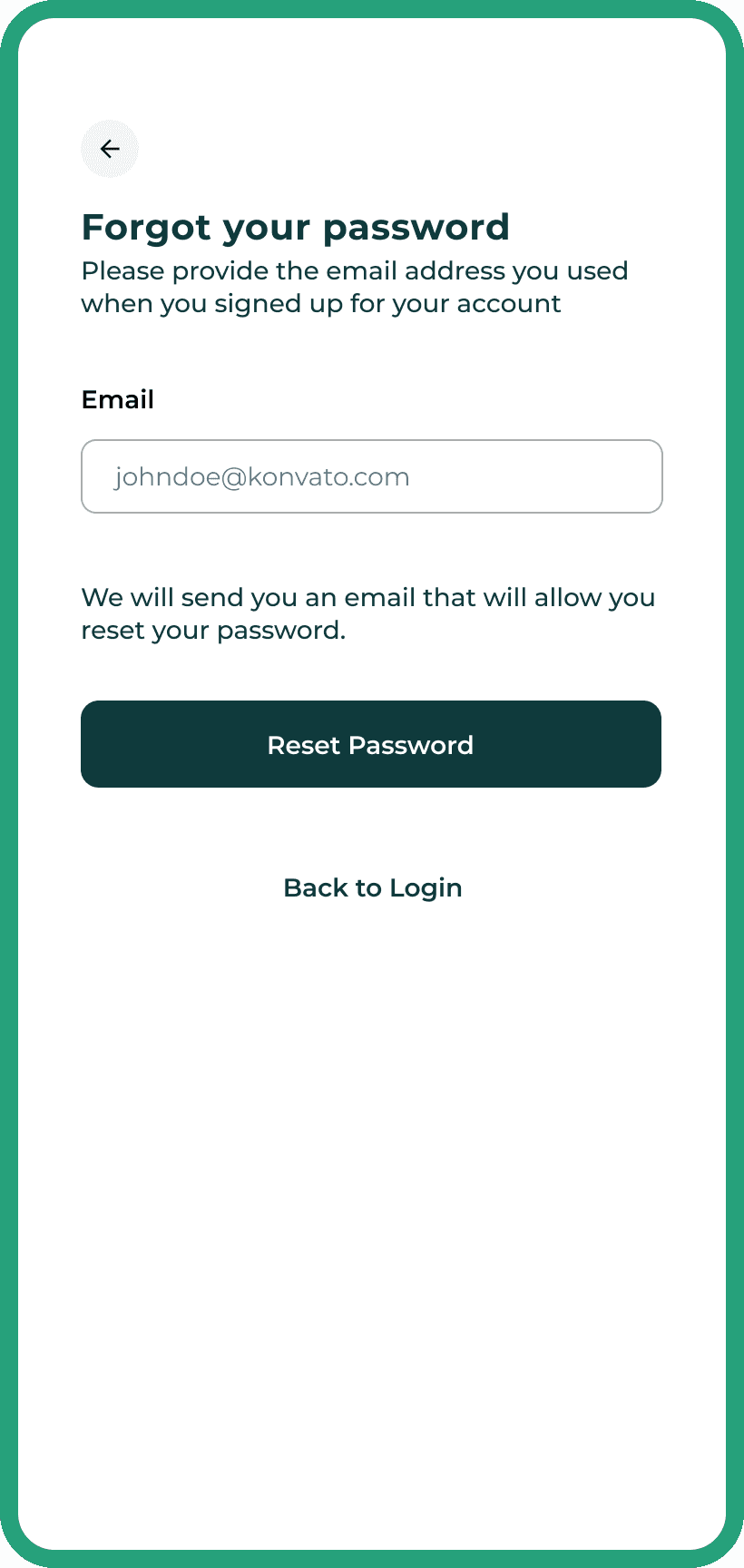
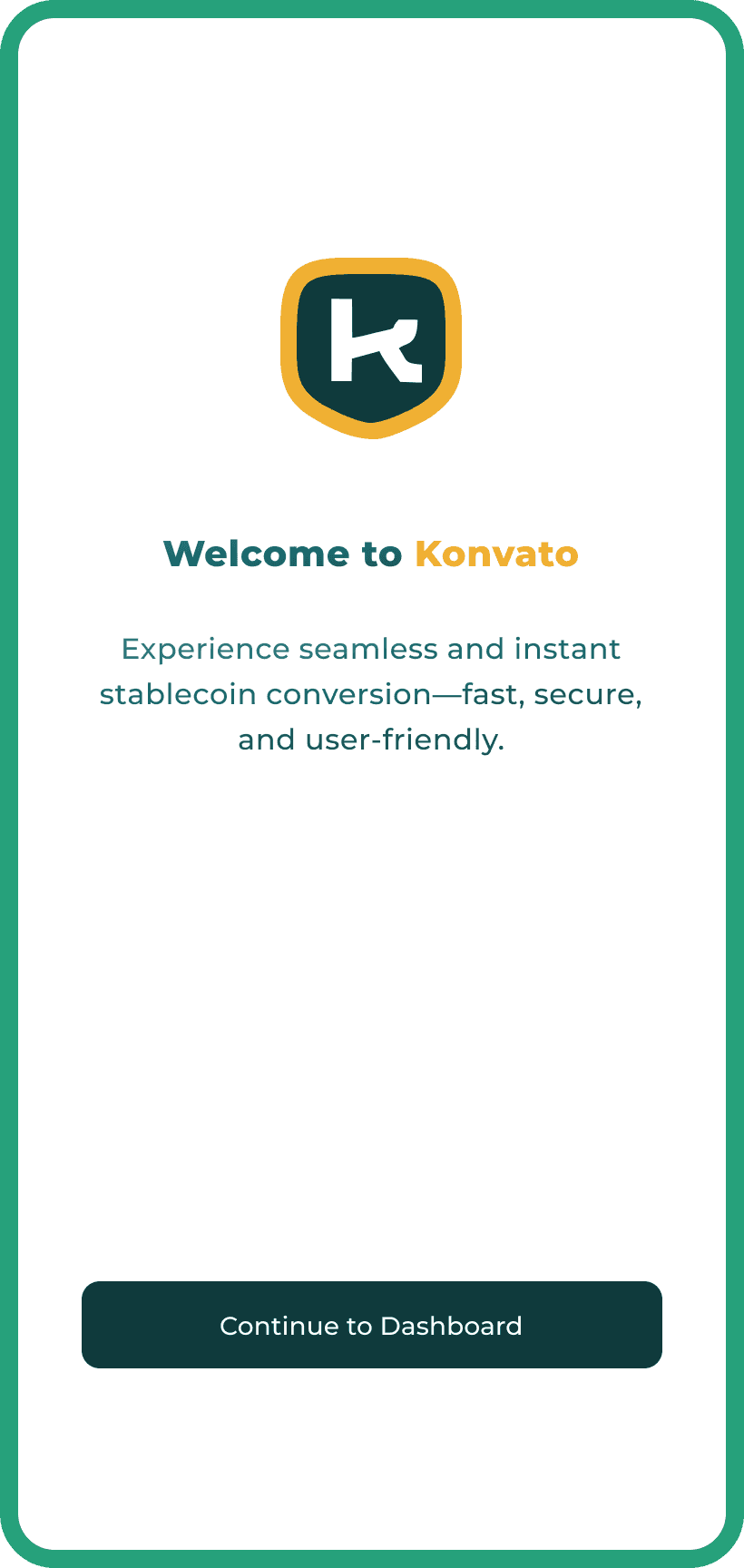
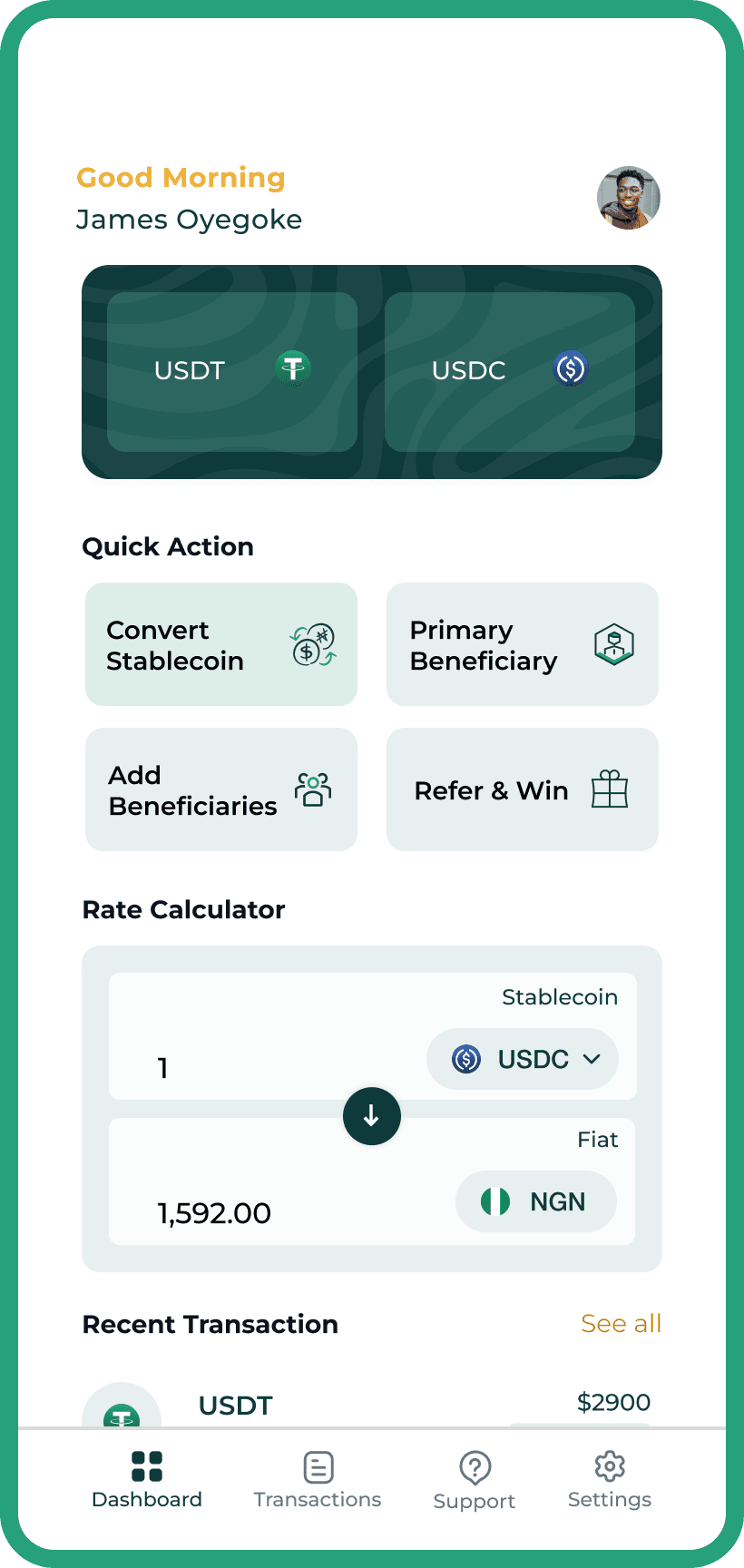
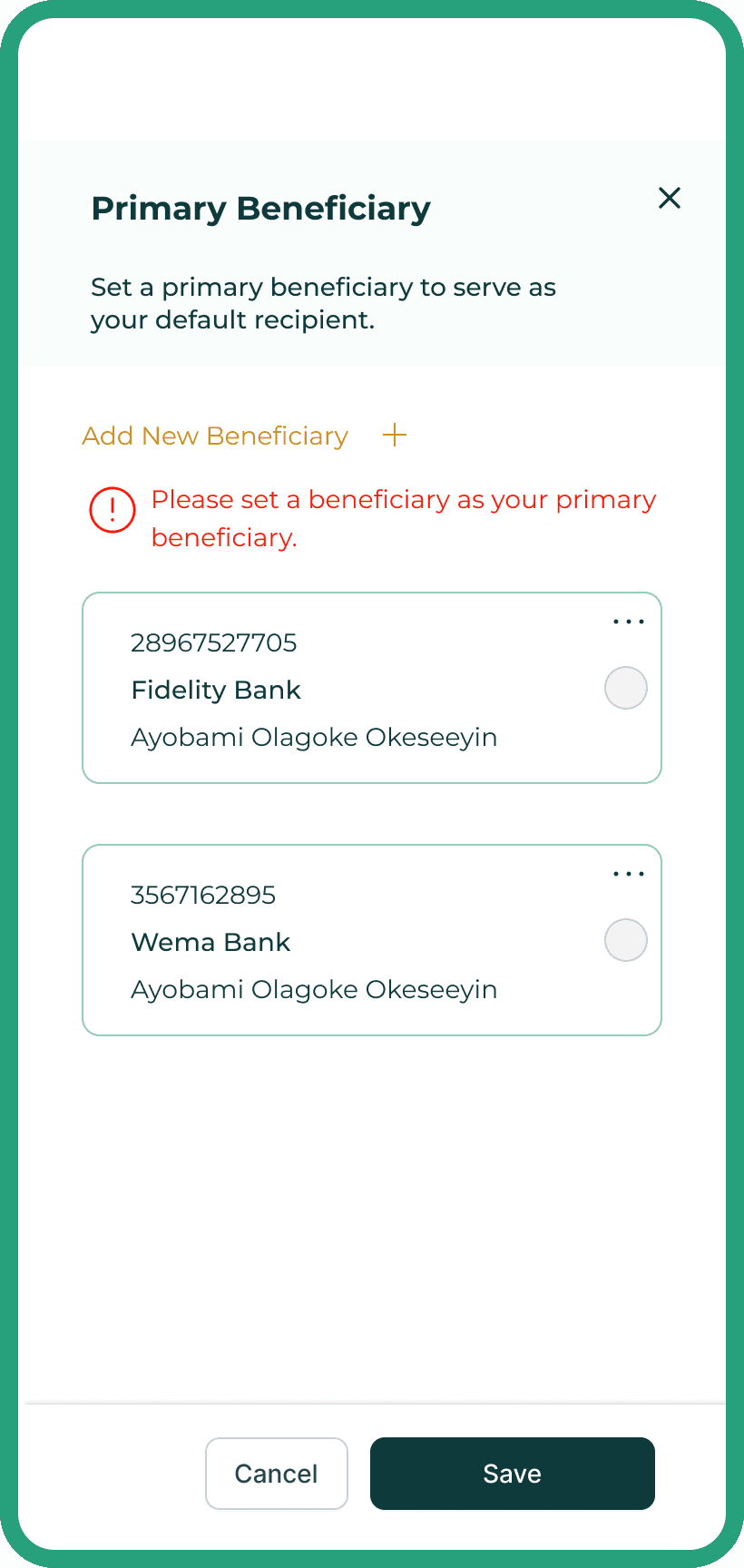
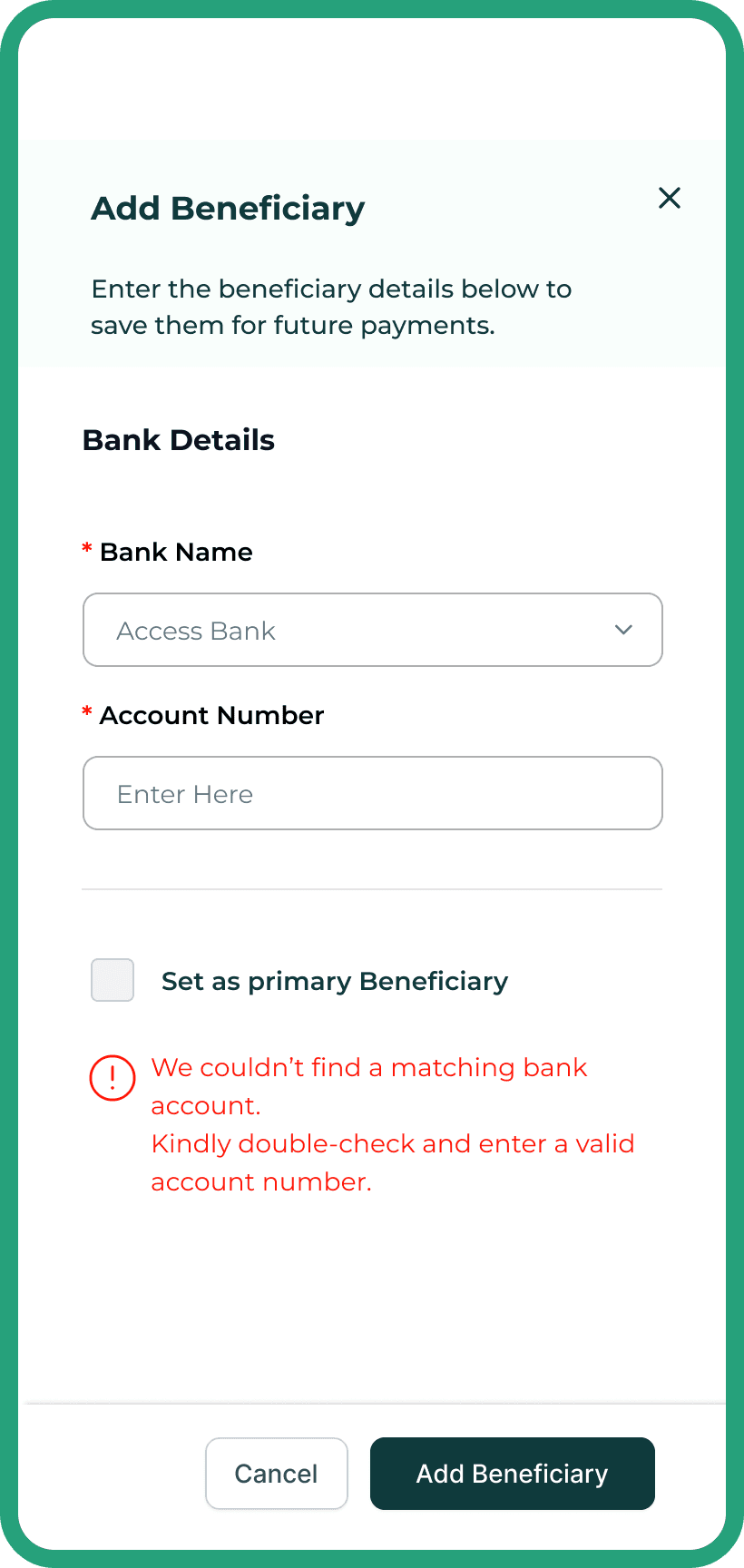
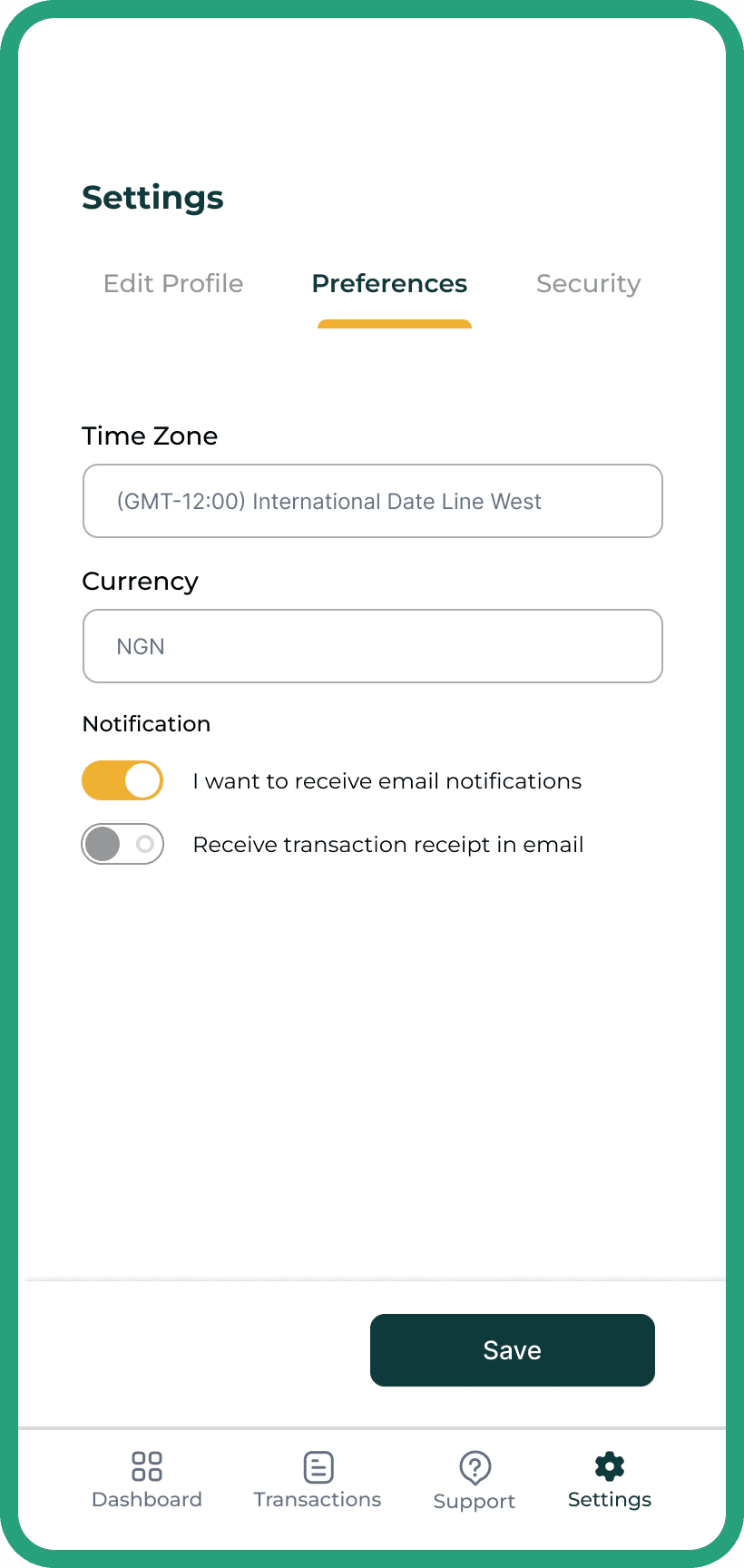
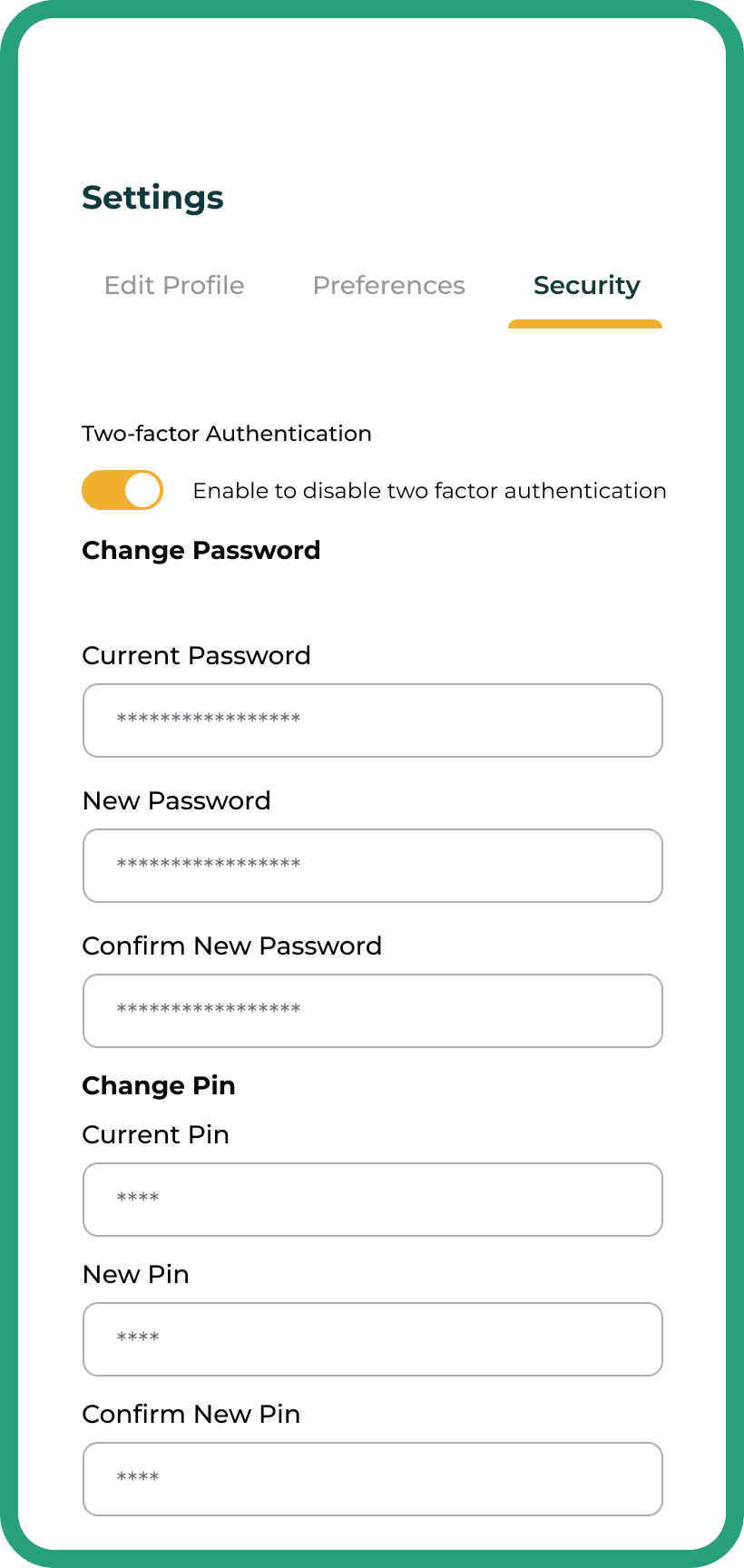
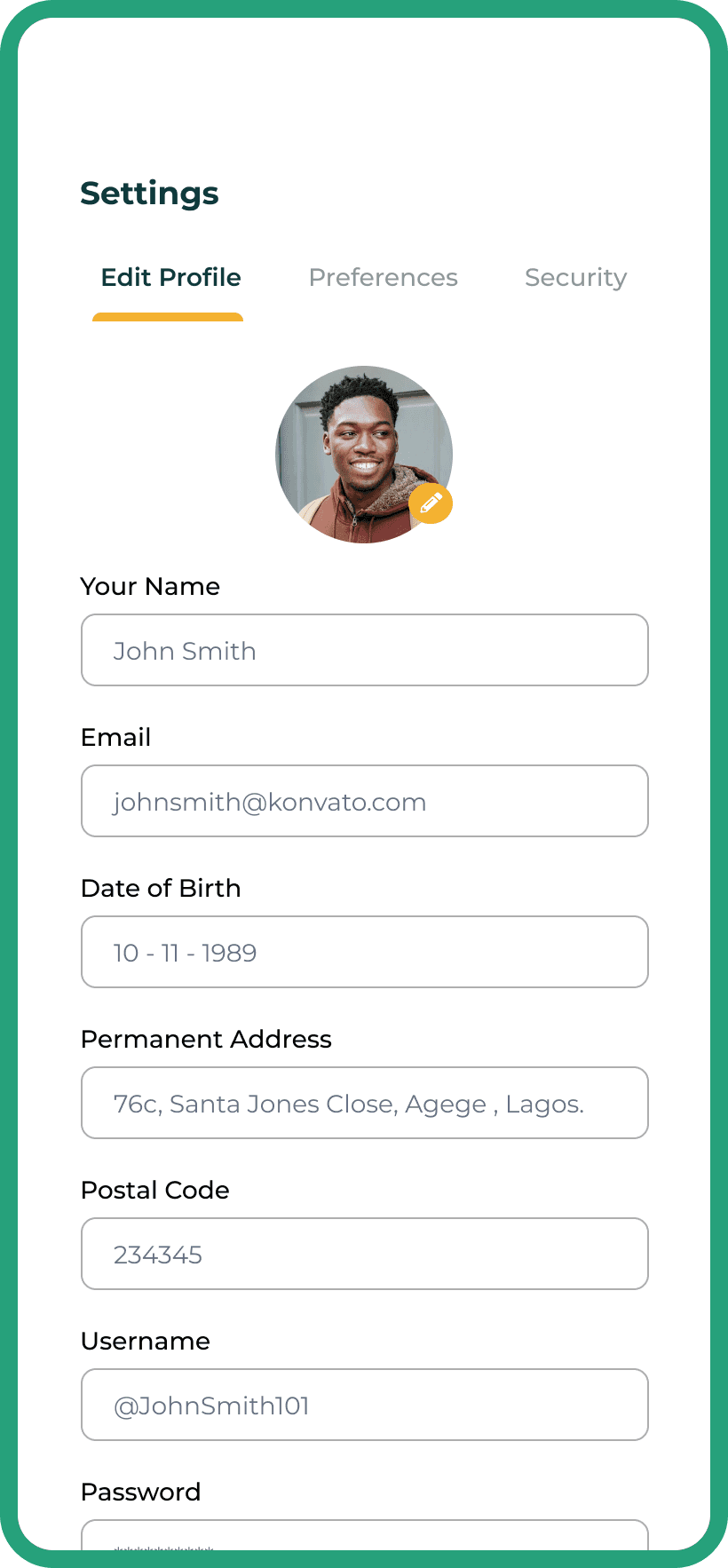
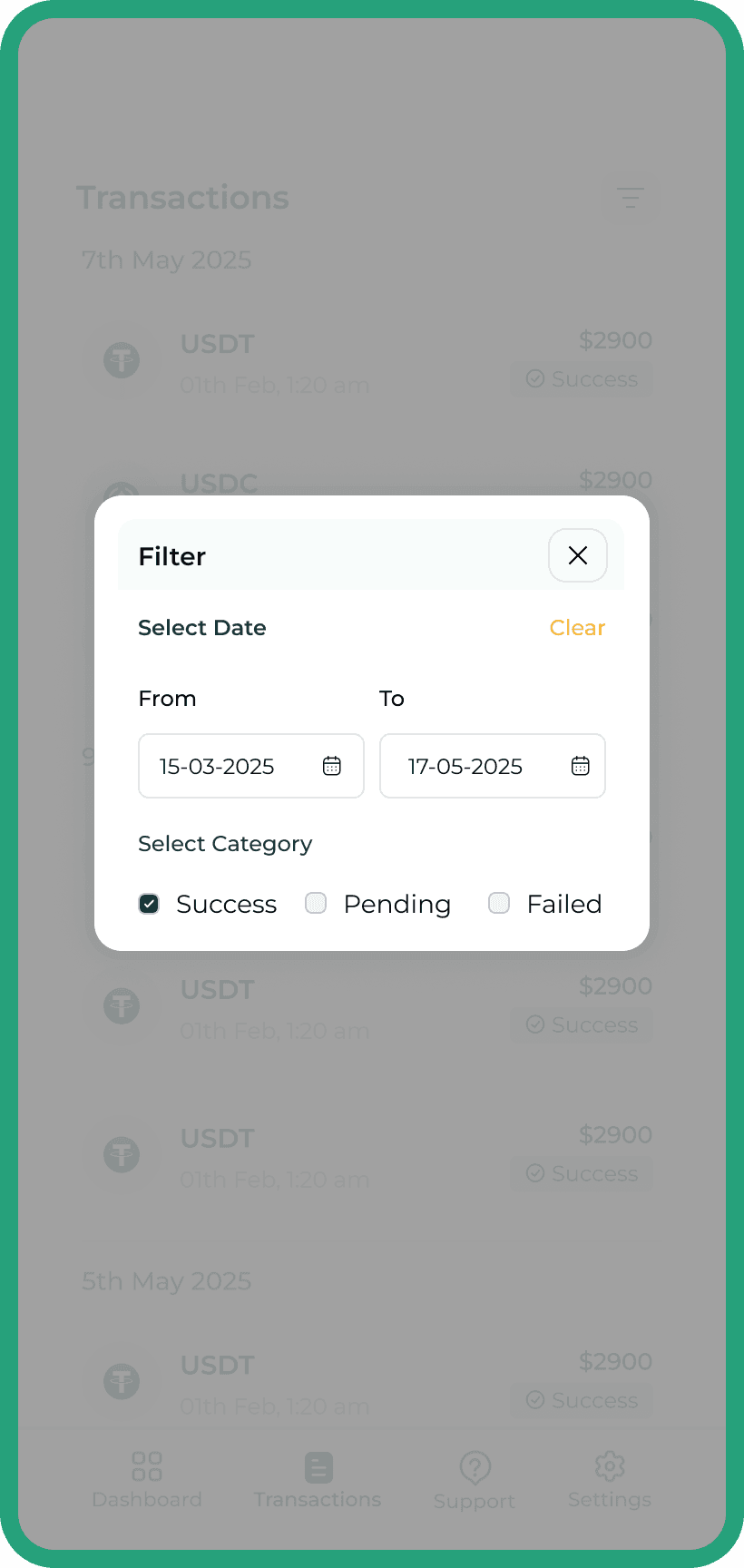
High Fidelity Wireframe





Problem and Solutions
Lack of Transparency in Conversion Fee
Problem:
Users converting USDC/USDT to fiat don’t understand the final payout amount. Fees, FX rates, and network fees are often hidden until the final step.
Solution:
A real-time fee breakdown UI that transparently shows all transaction costs—while showcasing Konvato’s exclusive zero-fee conversion rate for users.
Slow Off-Ramp Processing Times
Problem:
Some off-ramp partners settle fiat to bank accounts in 1–3 days. Users don’t know what to expect.
Angry users assume the platform is holding funds.
Solution:
Delivery time estimates is clearly displayed
Tracking timeline component (similar to a shipping tracker) showing:
“Stablecoin received”
“Bank transfer initiated”
“Expected arrival”
Use real-time processing with automated verification and blockchain or instant payment networks to ensure transfers are completed within minutes.
Mistrust Around Fiat Delivery
Problem:
Users fear losing funds when moving from crypto to banks, especially in regions with hostile regulations.
Solution:
Partner transparency: Show which licensed provider is handling the off-ramp.
“Regulated by” labels and trust badges.
Inline educational microcopy reassuring what happens during the transfer.
Complex User Experience
Problem:
Complicated forms, poor navigation, and slow loading times create frustration and user drop-off.
Solution:
Design a simple, intuitive interface with minimal steps, clear visuals, and mobile-first usability. Support multiple languages and local currencies for inclusivity.
Multi-Currency Confusion
Problem:
When converting stablecoins to fiat in non-USD markets, users may misunderstand:
SD → NGN conversion
Network fees vs FX fees
Recipient bank currency settings
Solution:
Explicit currency conversion cards (“You send X USDC → You receive Y NGN”).Warnings for banks that charge foreign currency conversions.
Unclear Limits (Daily/Monthly and Per Transaction)
Problem:
Users get blocked at submission because they exceed withdrawal or compliance limits.
Solution:
Dynamic limit meter UI (shows progress bar of used/remaining limit).
Contextual upsell explaining how to increase limits (e.g., “Verify your identity to convert up to $50,000/day”).
Real-time validation before user initiates a transfer.
Lack of Customer Support
Problem:
When disputes or failed transactions occur, delayed or ineffective support quickly undermines user trust.
Solution:
Offer 24/7 support, chatbots for instant help, and clear escalation paths for unresolved issues.
Design Process
Problem Framing & Goals:
Stablecoin users want a fast, transparent, and trustworthy way to convert crypto into fiat currencies. However, research showed major pain points around fees, network selection, payout timelines, and compliance requirements.
Design goals:
Increase user confidence at every step
Reduce drop-offs caused by unclear requirements
Improve transparency around fees and timing
Create a scalable design system for multiple networks and off-ramp partners
Disvovery Phase:
To understand expectations and friction points, I conducted:
User Interviews
Interviewed both novice and experienced stablecoin users.
Key themes:
Confusion around total payout amount
Anxiety about how long transfers take
Uncertainty about which blockchain network to use
Frustration with KYC interruptions
Fear of irreversible mistakes
Problem Synthesis
From the research, I distilled the problems into 5 pillars:
Fee opacity → Users can’t predict their final payout
Slow/uncertain delivery → No visibility into transfer progress
Network complexity → Users pick the wrong chain or overpay fees
KYC friction → Sudden, confusing compliance steps break flow
Limit confusion → Users hit blocked transactions unexpectedly
These themes shaped the structure of the design solution.
User Journey:
I mapped the full end-to-end conversion journey:
Automated wallet generation
Select stablecoin
Choose network
Enter amount
Understand fees (Free)
Pass compliance
Initiate conversion
Wait for settlement
Receive confirmation
Ideation:
Low Fidelity - I explored multiple directions for:
Fee explanation modules
Network comparison UI
A “conversion timeline” tracker
Progressive KYC prompts
Limit meters
Sketching helped decide on visual hierarchy and simplified user decision paths.
Solution Principles
The concepts were guided by principles derived from insights:
Transparency (no hidden fees, no surprises)
Predictability (clear timelines and expectations)
Safety (protect users from irreversible mistakes)
Minimal friction (only one required action per step)
Education without overwhelm (microcopy > long text)
Design Execution: Final design and key features
Real-Time Fee Breakdown
Network fee
Platform fee
FX conversion rate
Final payout amount preview
- Impact: lowered confusion & improved conversion rate
ii. Network Selection Assistant
Shows cost, speed, and compatibility per network
Smart recommendation engine highlights best option
Prevents incompatible network transfers
- Impact: reduced user errors and support tickets
iii. Conversion Timeline Tracker
A live, trackable progress bar with steps:
Stablecoin received
Processing
Bank transfer initiated
Estimated arrival
- Impact: reduces anxiety by setting expectations
iv. Progressive KYC Flow
Shows only necessary fields at each stage
Provides “why we need this” explanations
Autofills from past verifications
Uses document quality checks to reduce rejection
- Impact: Higher completion rate and fewer abandoned flows
v. Dynamic Limit Meter
Displays daily/monthly limits
Highlights remaining withdrawal room
Contextual upgrade prompts
- Impact: Prevents hidden blockers and surprises
Usability Testing:
Conducted remote tests with 8 participants.
Findings:
Users trusted the process more when timelines were shown
The network recommendation reduced cognitive load
Fee transparency increased the perception of fairness
KYC explanations reduced frustration
Users reported significantly more confidence
Handoff & Collaboration:
I collaborated with:Product Managers to define metrics and scope
Engineers to ensure feasible fee calculations and network logic
Compliance to confirm KYC & AML requirements
Brand / Design Systems to build reusable modules
Deliverables:
Annotated Figma files
Interaction specs
API contract requirements for retrieval of fees & timelines
Results & Impact:
While some metrics are generalized (depending on fictional or real data availability), typical outcomes for this type of project include:↓ 23% drop-off rate in conversion flow
↓ 32% reduction in support tickets for fees & timing
↑ 19% increase in successful conversions
↑ User confidence measured by post-flow survey
Clearer design system patterns scalable across regions
Reflection:
What I learned
Transparency is a powerful trust-builder, especially in financial products
A complex flow becomes simple when designed around user expectations
Designing for compliance means balancing legal needs with user empathy
What’s next:
Adding “instant payout” where possible
Expanding to global bank rails (SEPA Instant, Faster Payments)
Introducing fee-optimizing automation (auto-select cheapest route)